
An electronic medical record (EMR) is a digital version of all the information you’d typically find in a provider’s paper chart: medical history, diagnoses, medications, immunization dates, allergies, lab results and doctor’s notes.


An electronic (digital) collection of medical information about a person that is stored on a computer. An electronic medical record includes information about a patient's health history, such as diagnoses, medicines, tests, allergies, immunizations, and treatment plans. Electronic medical records can be seen by all healthcare providers who are taking care of a patient and can be used by them to help make recommendations about the patient’s care. Also called EMR and electronic health record.
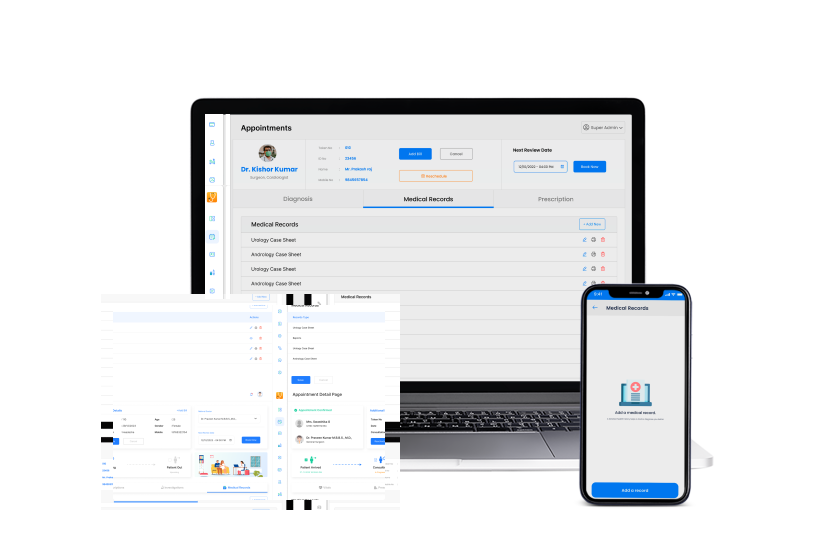

Health care can be improved by improving all aspects of patient care, such as safety, effectiveness, patient-centeredness, communication, timeliness, and patients uploading test results, case sheets, doctor's advisory notes and patient instructions, making it possible for all types of patients to maintain their records efficiently.
EMRs increase productivity and efficiency while cutting down on paperwork. Patients and staff have fewer forms to fill out, leaving clinicians with more time to see patients. Referrals and prescriptions can be sent quickly, cutting wait times for appointments and pickups
EMRs increase productivity and efficiency while cutting down on paperwork. Patients and staff have fewer forms to fill out, leaving clinicians with more time to see patients. Referrals and prescriptions can be sent quickly, cutting wait times for appointments and pickups